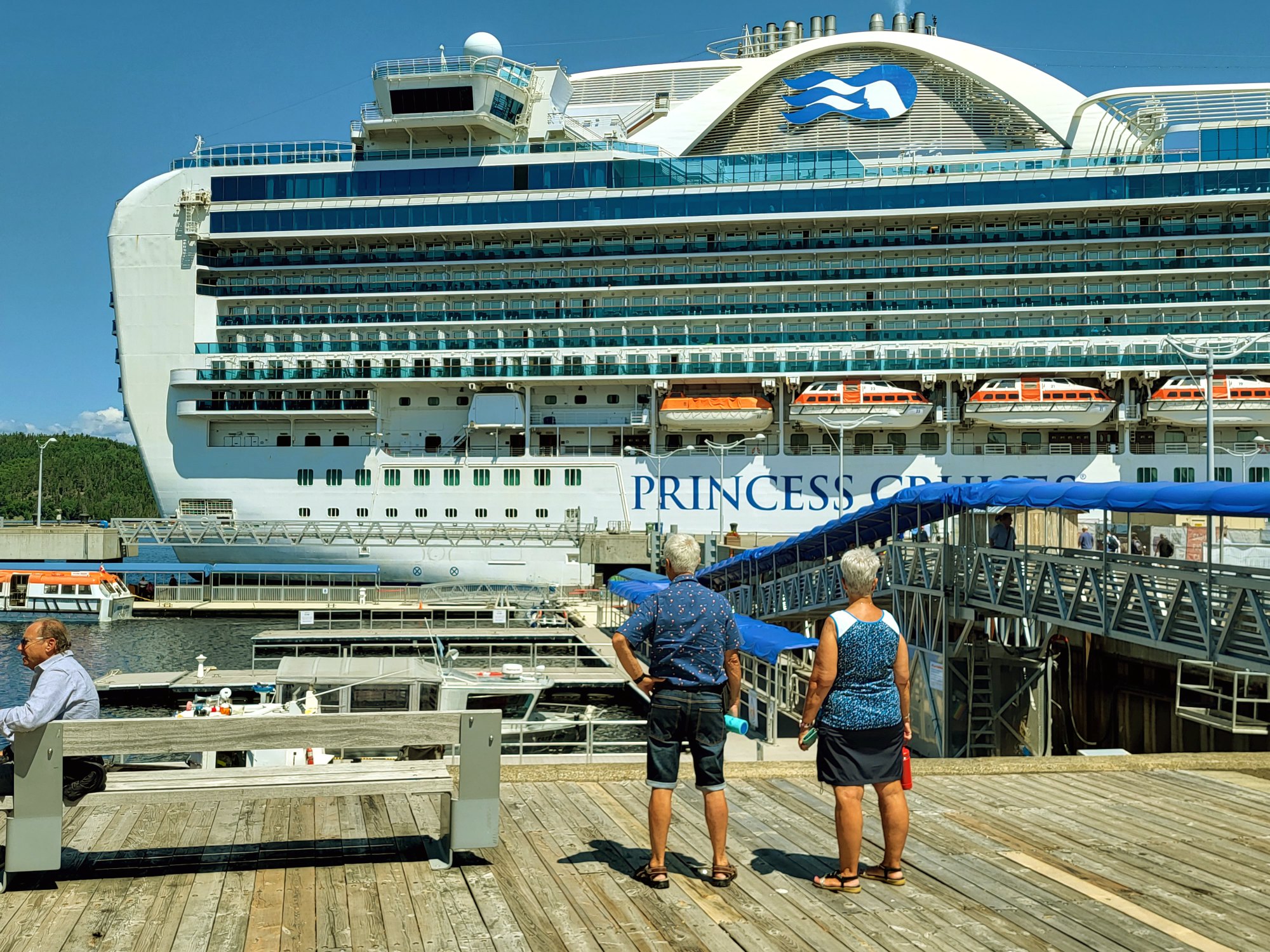
To escape the punishing summer heat of Palm Springs—and to get some concentrated work done on my upcoming thriller, You Always Kill the One You Love—I recently took a cruise up the East Coast of the United States to Quebec, Canada. We stopped at ports as large as New York City and as small as the little Cape Breton town of Sydney, but my most lasting impression of the cruise was of Charleston, South Carolina—an utterly charming town with a dark history.
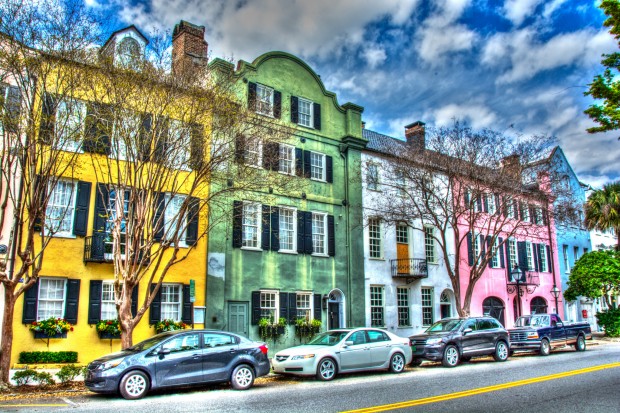 Charleston today is a prosperous and beautiful city of neoclassical buildings and multicolored townhouses amid lush gardens and serene parks. Strolling through the Historic District, I stopped to snap photos of Rainbow Row, a series of pastel-colored homes that date back to the 18th century. Waterfront Park, with its iconic pineapple fountain, provided a perfect place to sit and reflect on the city's layered past. And the Battery, a landmark promenade along the Charleston harbor, offered sweeping views of the city's grandeur, as evidenced by its 1824 Palladian Customs House.
But Charleston, I learned, was the center of the slave trade in the U.S., beginning with the first enslaved Africans imported in 1670 and continuing through the end of the Civil War in 1865. Over 200,000 enslaved people were sold in auctions here, where they were transported to plantations all over the South, fueling the region's cotton economy with their forced labor.
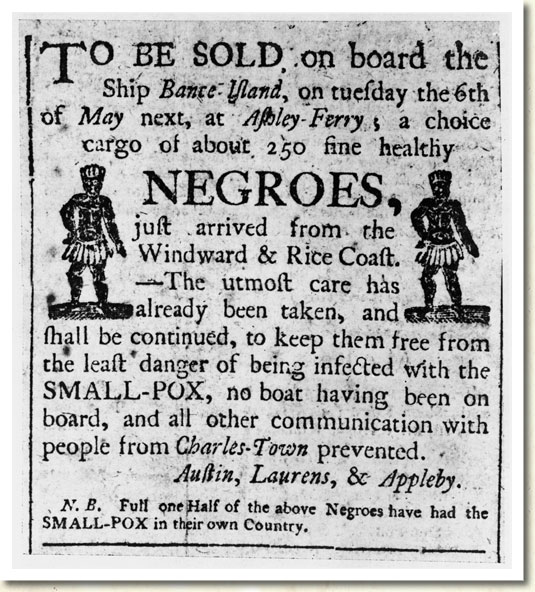 The Old Slave Mart Museum, located on Chalmers Street, was once a hub for these dreadful auctions. Here, I saw haunting artifacts like slave shackles and chains, advertisements for runaway slaves, and journals of businessmen ordering different types of slaves from various African cultures as if they were commodities.
At the International African American Museum, the exhibits included narratives of enslaved people who endured the unimaginable and fought for their freedom. One particularly striking exhibit was a moving collection of letters and personal items that told the stories of individual lives disrupted and destroyed by the slave trade.
I stopped in St. Michael's Church, one of the oldest churches in downtown Charleston, to reflect on the contrasts the city offered—charming architecture and romantic high culture, but built on the backs of human chattel. The beauty of Charleston's present stood in stark contrast to the brutality of its past, a dichotomy that left me pondering the ability of an educated aristocracy to justify what so clearly stands out to us today as self-serving and evil actions.
God save us from ourselves.