
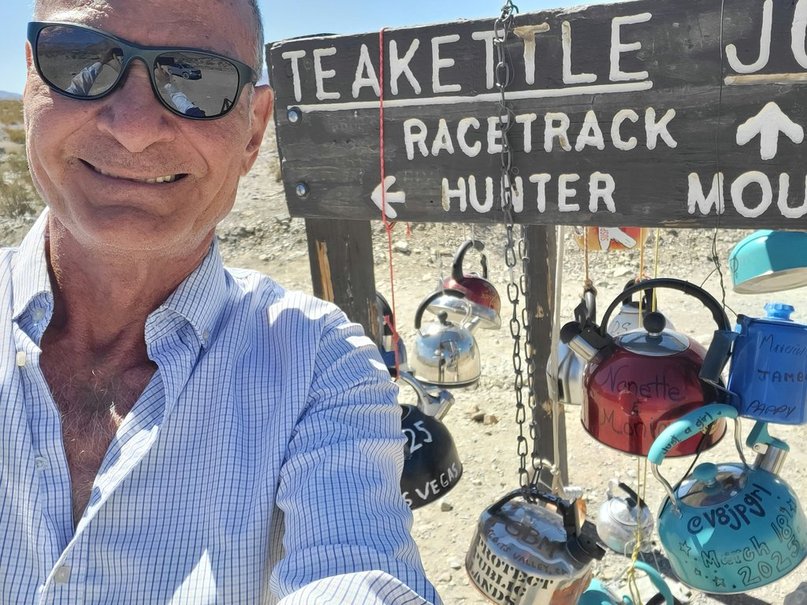
Recently, I journeyed to Racetrack Playa, deep into the remote heart of California's Death Valley.
Reaching this mysterious place demands effort: driving miles to the 500-foot deep Ubehebe Crater at the northern end of the park, then enduring several more hours on a rough dirt road, bouncing over corrugated ruts, crossing a high desert pass dotted with Joshua Trees, and marveling at the whimsical display of tea kettles at Tea Kettle Junction.
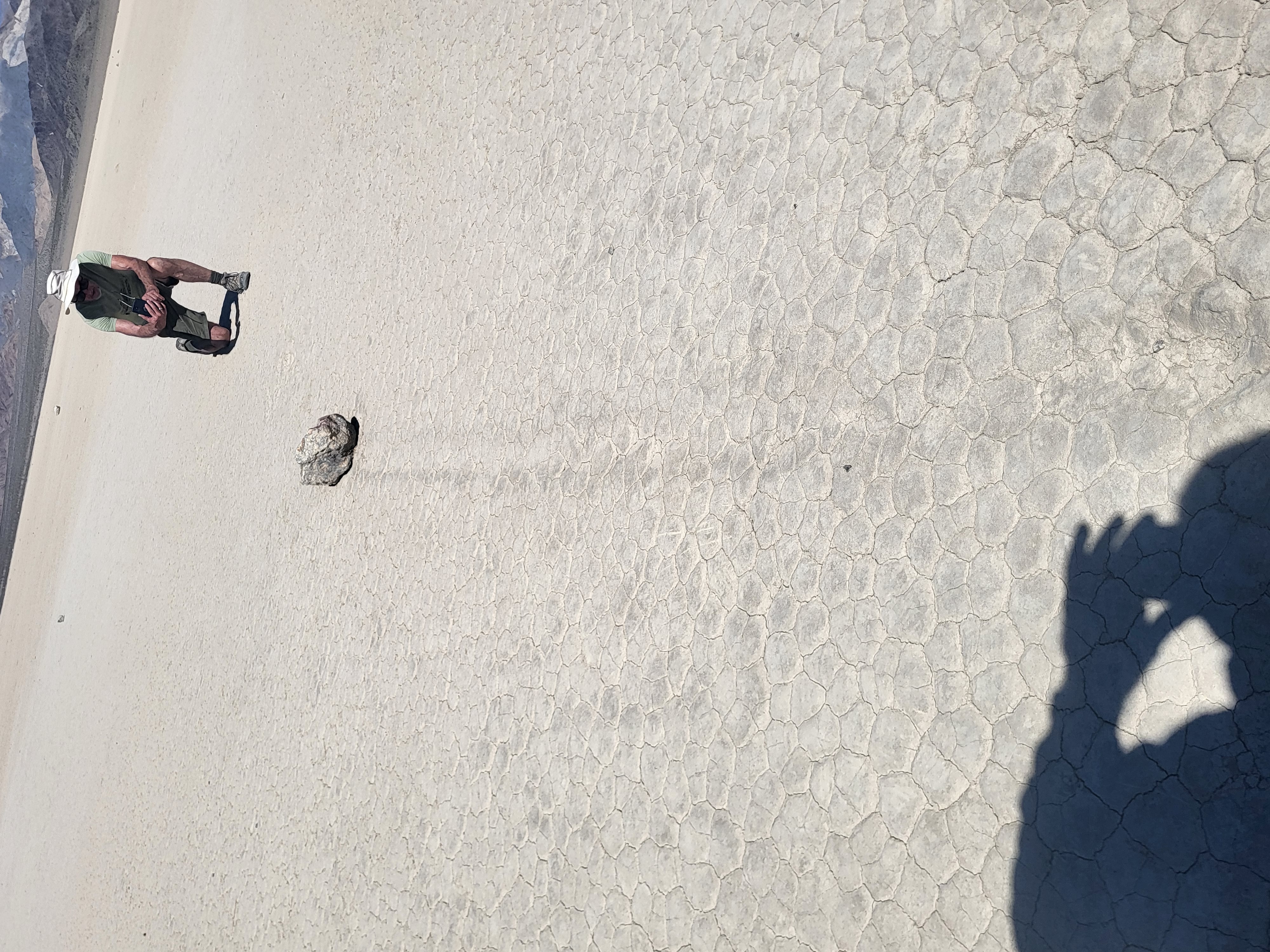 Finally, you arrive at a surreal dry lakebed, famous for one remarkable phenomenon—its rocks mysteriously move across its cracked surface!
Scattered across the lakebed are stones of various sizes—from tiny pebbles to hefty boulders weighing dozens of pounds—many trailing a distinct, winding path etched in the hardened mud.
For decades, explanations for the phenomena ranged from whirlwinds and magnetic anomalies to outré notions of ghostly spirits and alien interference.
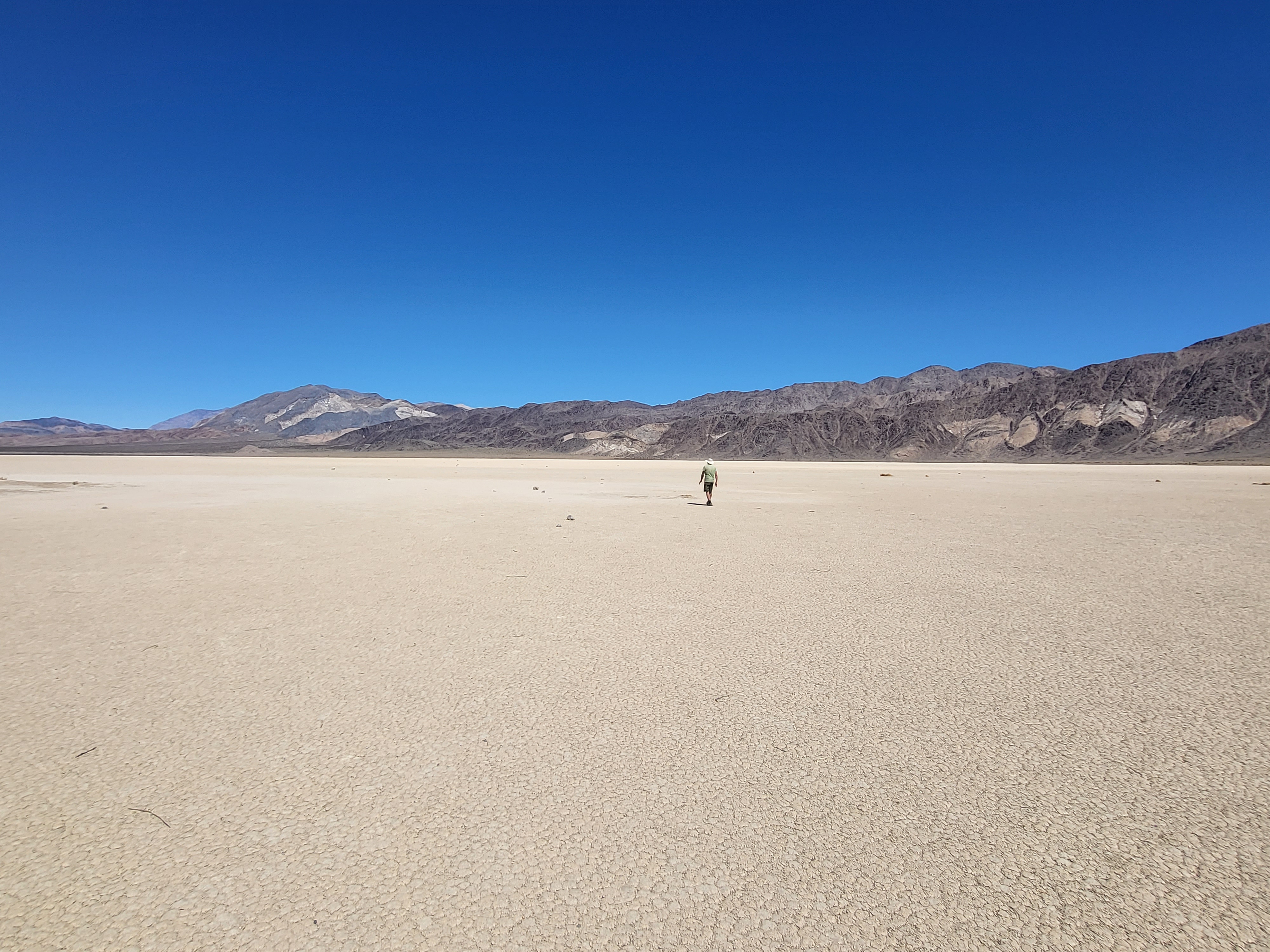 But recently, scientists equipped with remote-operated cameras and GPS tracking devices finally cracked the mystery. In wet winters, rains fill the lakebed with a few inches of water, which freezes overnight into expansive ice sheets.
Rocks embedded in these sheets are then gently pulled across the playa as fierce desert winds crack and push the floating ice, leaving behind the peculiar trails when the ice melts and water evaporates.
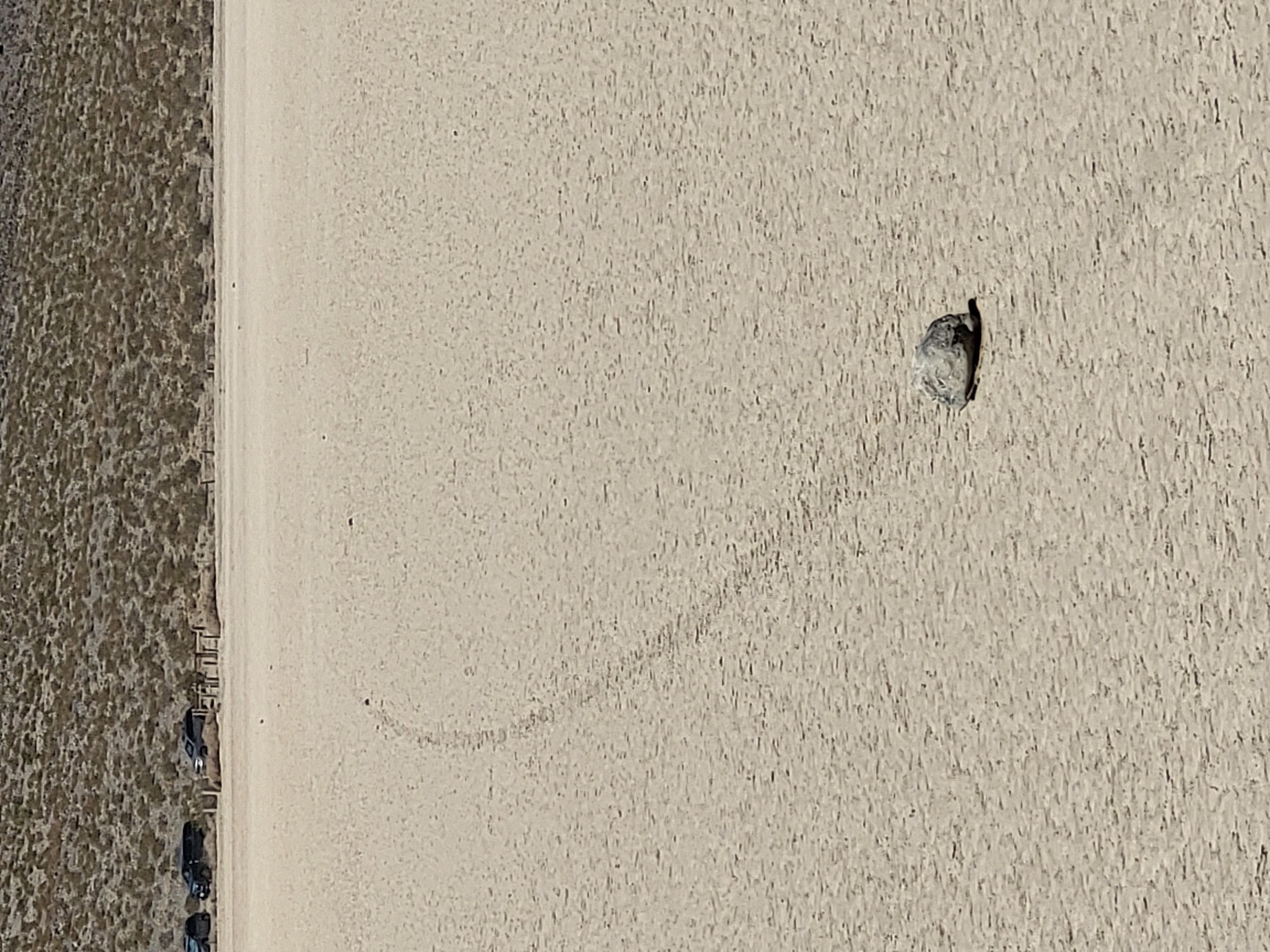 Racetrack Playa is one of the few places on earth where nature stages this rare, intriguing show. Witnessing the spectacle firsthand was both a joy and a privilege—a reminder of how endlessly creative and surprising our natural world can be.